
Introduction to Digital Currency Wallets
In the fast-evolving world of digital currencies, having a reliable and secure wallet is essential for anyone looking to dip their toes into cryptocurrency. As you may know, a digital currency wallet serves as the interface where users can store, send, and receive digital assets like Bitcoin, Ethereum, and countless altcoins. In this guide, we’re going to delve deep into what exactly digital currency wallets are, the different types available, and how to choose the right one for you, all while ensuring your transactions are as secure as possible.
What is a Digital Currency Wallet?

At its core, a digital currency wallet is akin to a virtual bank account, but instead of holding traditional currencies like dollars or euros, it retains your digital currencies. However, it’s crucial to understand that these wallets don’t physically store your coins; rather, they store your private keys - the codes that allow you to access and manage your cryptocurrencies on the blockchain network.
When you conduct transactions in the digital realm, your wallet interacts with your chosen blockchain, enabling you to authorize the sending or receiving of digital money. This process is underpinned by cryptography, ensuring that your data remains protected from prying eyes.
Types of Digital Currency Wallets
Now that we’ve covered what they are, let’s explore the different types of digital currency wallets that are out there. Each type has its pros and cons, depending on what you’re looking for.
1. Hot Wallets
Hot wallets are connected to the internet, making them incredibly convenient for quick and easy access to your funds. Most exchanges provide hot wallets where you can store your cryptocurrency with just a few clicks. However, this convenience comes at a price: security is a significant concern.
Due to their online nature, hot wallets are more susceptible to hacking and cyber-attacks. If you plan on trading frequently or need to access your funds regularly, they might be your best bet, but remember, safety first!
2. Cold Wallets
If security is your primary concern, cold wallets are the way to go. These wallets are not connected to the internet, significantly reducing the risk of hacking. Cold wallets come in various forms, including hardware wallets (like Ledger and Trezor) and paper wallets, where your key information is printed out on paper.
While cold wallets provide a heightened level of security, they can be less convenient for everyday transactions. If you’re planning to hold your investment long-term and don’t need immediate access, then consider utilizing a cold wallet.
3. Mobile Wallets
Mobile wallets are applications that you install on your smartphone. They offer a delightful mix of convenience and security, often leveraging features like biometric authentication. You can easily scan QR codes and make transactions on the go.
However, as with hot wallets, mobile wallets can be vulnerable to malware attacks and device theft. It’s essential to choose a reputable app, update regularly, and apply additional security measures, like two-factor authentication (2FA).
4. Desktop Wallets
Desktop wallets are software applications installed on your personal computer. They provide a more secure option than hot wallets because they generate your private keys on your machine and do not require an internet connection to access. Still, they are susceptible to malware if your computer is compromised.
For those wanting an extra layer of security, consider using a desktop wallet in conjunction with a cold wallet for long-term storage.
5. Web Wallets
Web wallets are browser-based and allow you to access your funds from any device with an internet connection. They are extremely user-friendly and often come from reputable exchanges.
While convenient, always be cautious. If the service you choose experiences a security breach, your funds could be in jeopardy. Do thorough research and never store large amounts of cryptocurrency in a web wallet.
Choosing the Right Wallet
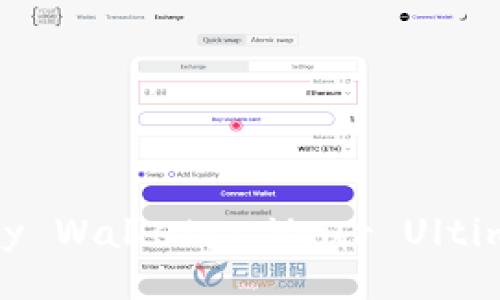
Now that you’re equipped with knowledge about different wallets, how do you decide which is right for you? It largely depends on your personal needs, trading habits, and how much you're looking to invest.
Here are some factors to consider:
- Security: If security is your top priority, opt for cold wallets. If you want a decent balance of accessibility and safety, consider mobile or desktop wallets.
- Usability: How easily can you navigate the wallet interface? Especially for newcomers, a user-friendly app can make a world of difference.
- Support for Different Cryptocurrencies: Ensure your chosen wallet supports the digital currencies you want to manage.
- Backup and Recovery Options: Look for wallets that offer backup solutions, so if anything goes wrong, you won’t lose access to your assets.
- Community Reviews: Learning from others can save you a lot of trouble, so check out what other users are saying about the wallet you’re considering.
Best Practices for Using Digital Currency Wallets
To keep your digital funds secure, here are some best practices:
- Enable Two-Factor Authentication: A small extra step that adds a significant layer of protection.
- Avoid Public Wi-Fi: Conduct transactions over secure networks. Using public Wi-Fi to manage your wallet can lead to vulnerabilities.
- Regular Updates: Always keep your wallet and any associated software up to date with the latest security patches.
- Keep Your Recovery Phrase Safe: This phrase allows you to recover your wallet if you lose access. Treat it like a bank password!
- Stay Informed: The digital currency landscape is constantly evolving, so staying updated on trends and security practices is vital.
Conclusion
Digital currency wallets are indispensable for anyone stepping into the cryptocurrency world. By understanding the various types of wallets and how to choose the right one based on your needs, you’re setting yourself up for a safer and more successful crypto journey.
Whether you’re simply holding onto your investment for the long haul or actively trading, ensure you prioritize security without sacrificing usability. With the knowledge you’ve gained here, you’re well-equipped to manage your digital assets confidently. Happy investing!